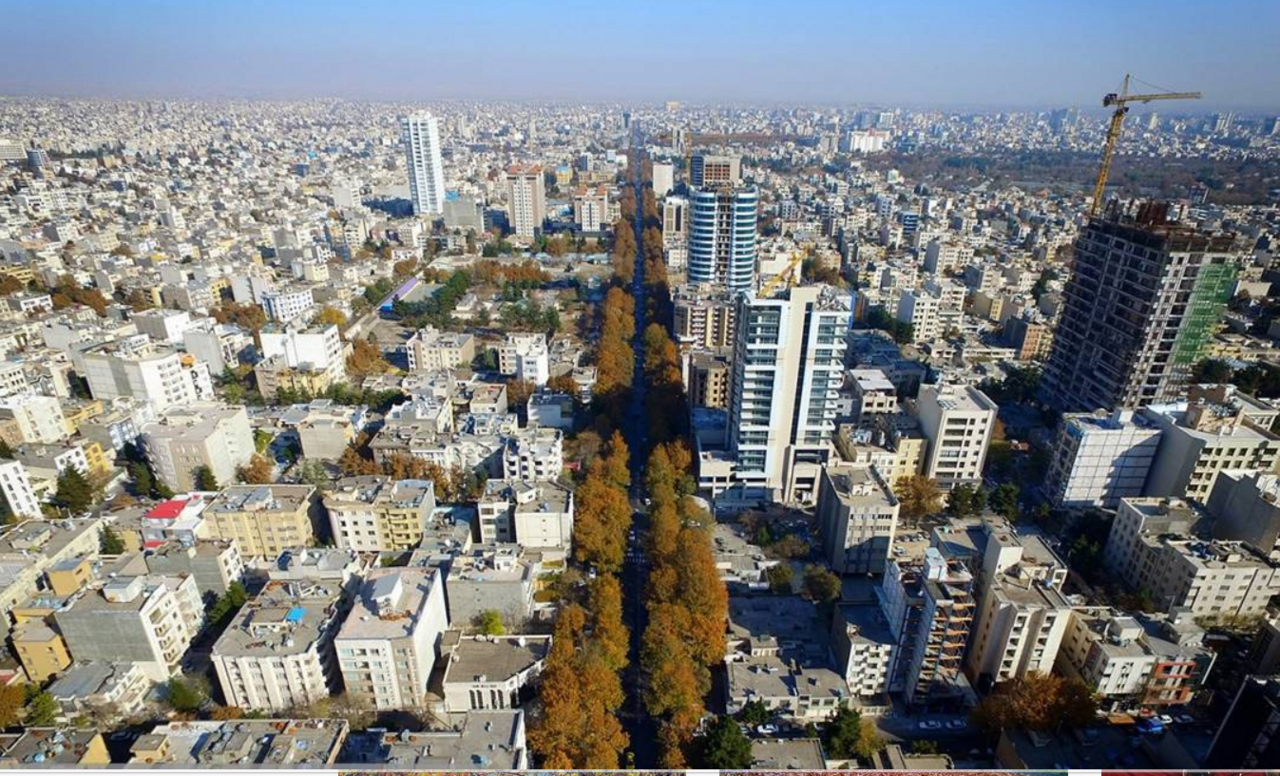
Mashhad: Why Iran's Second City Is Khamenei's Final Resting Place
The passing of any nation's supreme leader marks a pivotal moment, but the confirmed burial plans for Ayatollah Ali Khamenei in Mashhad carry profound significance, echoing across Iran's spiritual and political landscape. While a grand farewell ceremony is slated for Tehran, the decision to inter the former Supreme Leader in Mashhad, Iran's vibrant second city, is a deliberate choice steeped in personal history, religious sanctity, and potent symbolism. This article delves into the multifaceted reasons why `khamenei mashhad` is not merely a logistical arrangement but a deeply meaningful final chapter for one of the most influential figures in modern Iranian history.
Mashhad: A City Steeped in Holiness and Heritage
Mashhad, nestled in the northeastern expanse of Iran, is far more than just the nation's second-largest urban center. It is the spiritual heart of Shia Islam in Iran, a beacon for millions of pilgrims worldwide. Its unparalleled significance stems from being the resting place of Imam Reza, the eighth Imam of Shia Islam. The Imam Reza shrine complex is an architectural marvel and a sprawling hub of devotion, learning, and cultural activity. Each year, an estimated 20 to 30 million pilgrims visit this holy site, making it one of the largest pilgrimage destinations globally.
The city itself boasts a rich history, serving as a crossroads for trade and culture for centuries. Its vibrant bazaars, exquisite architecture, and thriving intellectual scene contribute to its unique character, blending deep religious tradition with modern Iranian life. For more detailed insights into the spiritual gravity of this choice, consider reading
Ayatollah Khamenei's Burial Confirmed for Holy Mashhad. Choosing Mashhad for the burial links the departed leader directly to this profound spiritual heritage, placing him within the embrace of Shia devotion and history.
The Deep Personal and Familial Ties to Mashhad
One of the most compelling reasons for the Mashhad burial is Ayatollah Ali Khamenei's profound personal connection to the city. Born in Mashhad, he spent his formative years there, imbibing its spiritual and cultural atmosphere. This was his home, the place where his roots ran deepest. This strong biographical link makes Mashhad a natural and fitting final resting place.
Furthermore, the family lineage plays a crucial role. Khamenei's father is also buried within the revered precincts of the Imam Reza shrine. This familial tradition creates a powerful precedent, symbolizing a return to the ancestral and spiritual home. For a leader who guided Iran for 36 years, a period marked by significant regional and international challenges, returning to his origins allows for a final connection with the spiritual source that often defines Iranian identity. It reinforces a narrative of legacy and continuity, not just for the individual but for the institution of the Supreme Leader itself. The decision also aligns with a common practice in Shia culture, where individuals often express a desire to be buried near holy figures or family members.
The Symbolic Weight of a Mashhad Burial
The choice of Mashhad over Tehran, the political capital, or Qom, the theological epicenter, carries substantial symbolic weight. While a large memorial ceremony in Tehran will allow for a national outpouring of grief and political ceremony, the Mashhad burial grounds the leader in a spiritual rather than purely political context.
* **Connecting with the People:** By choosing Mashhad, Khamenei is symbolically returning to the heartland of Shia piety and solidarity, rather than the often-turbulent political stage of Tehran. This could be interpreted as a desire to be remembered as a spiritual guide and protector of the faith, rather than solely a political figure.
* **A Statement of Continuity:** Embedding the leader's final resting place within the most sacred shrine in Iran can be seen as a powerful statement about the enduring nature of the Islamic Revolution and its spiritual foundations. It intertwines his legacy directly with the very essence of Shia religious identity.
* **Security and Succession:** The reference context also hints at the complexities surrounding the immediate aftermath of Khamenei's death, noting that the Assembly of Experts' final meeting, tasked with electing a successor, might be postponed for "security reasons." The decision to hold the main burial outside of the capital might also factor into managing public gatherings and security logistics during such a sensitive period of transition. The focus on Mashhad draws attention to religious sanctity, potentially fostering a sense of national unity and calm during a delicate succession process.
For more details on the sequence of events, including the Tehran ceremony, refer to
Khamenei Burial in Mashhad to Follow Tehran Farewell Ceremony.
The Transition of Power and the Road Ahead
Khamenei's death at 86, following 36 years of leadership, ushered in a period of immediate transition for Iran. An interim council, comprising the president, the head of the judiciary, and a jurist from the Guardian Council, has been entrusted with managing affairs until a permanent successor is chosen. The critical task of electing the next Supreme Leader falls to the 88-member Assembly of Experts.
The timing and location of Khamenei's burial are not just about honoring the past but also about shaping the future. The decision to bury him in a holy city like Mashhad, far from the capital's political intrigues, might serve to stabilize the national mood during this sensitive period. It emphasizes the spiritual legitimacy of the leadership, a core tenet of the Islamic Republic, even as the political mechanisms for succession are set in motion. The reports of US-Israeli strikes hitting the Assembly of Experts' headquarters in Qom and Tehran further underscore the volatile geopolitical backdrop against which this transition unfolds, making the symbolic strength of a Mashhad burial even more pertinent.
The choice of Mashhad as the final resting place for Ayatollah Ali Khamenei is deeply significant. It is a decision that honors his personal heritage, reaffirms Iran's spiritual foundations, and provides a powerful symbolic anchor during a momentous period of national transition. As Iran navigates the path ahead, the location of its former leader's grave will undoubtedly remain a focal point of contemplation, reminding both its people and the world of the profound interplay between faith, legacy, and leadership in the Islamic Republic.